
Out of the ordinary. Away from the crowds. Empty waves. Epic stories. These are just some of the reasons to head off on a surf adventure somewhere different. You don’t have to be a big wave surf pioneer to find waves where few people follow. Whether you’re seeking tropical shores or wintry wave wonderlands, rolling point breaks or powder-sand beaches, these are some places for a surf adventure off the beaten track.
THE PHILIPPINES
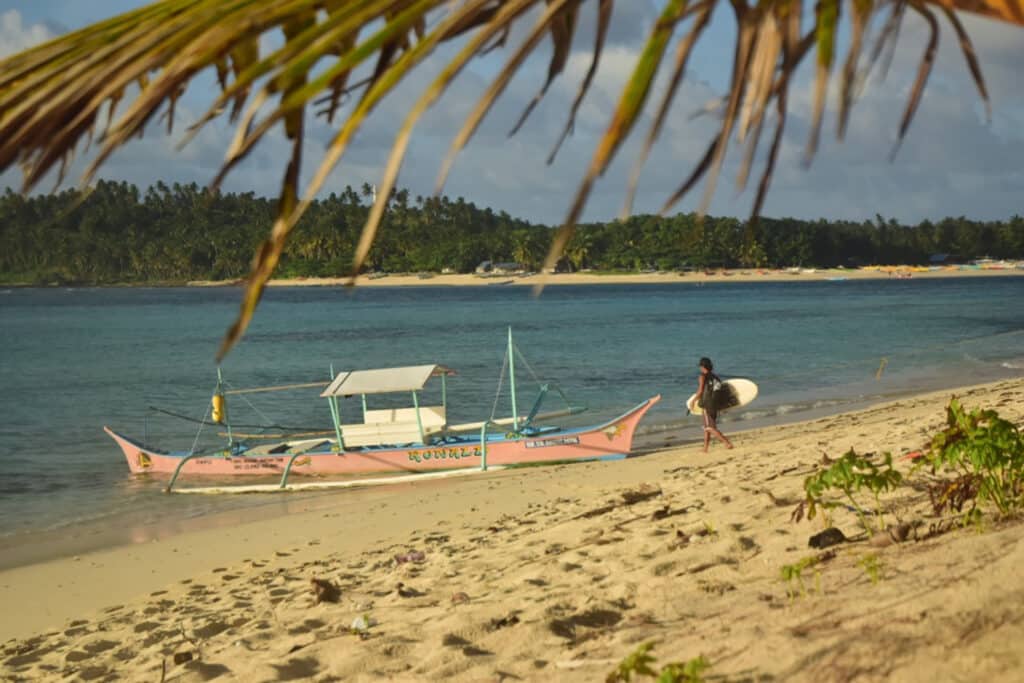
When you wrap over 7,000 islands and 22,500 miles of coastline in the Pacific Ocean, there’s bound to be a few places to surf, right? Whether you emerge through a thicket of palm trees on the dreamy island of Siargao, or step out of a tropical forest onto sugar-white sands at the northern tip of the archipelago, there are waves for all levels of surfers in the Philippines.
In a nutshell
If you’re looking to unwind, disconnect from the rat race and discover world-class waves in paradise, the Philippines should be on your bucket-list. From the country’s birthplace of surfing (and setting of 70’s war movie Apocalypse Now), Baler in Luzon, to the longboarding Mecca of Siargao, and the still-to-be-discovered breaks of Eastern Samar, offshore winds light up a myriad of breaks from the the tip the toe of this dreamy archipelago.
The vibe
Think Indo before Bali went ballistic. A little more fickle. A little more laid-back. A little more rugged. For all its beauty, the Philippines just doesn’t have the consistent swell pulses behind the likes of Uluwatu and G-Land. But that means it’s a land of possibility with breaks yet to be discovered. Here you can putter offshore in an outrigger, dance along impossibly turquoise ripples, and catch a huge snapper to throw on the coals when you get back to the beach. Sound like bliss? Read on.
The breaks
Despite thousands of islands to choose from, the number of places you can feasibly visit for a surf trip are relatively few. La Union, a couple of hours from Manila, is known as the surfing capital of the north, the all-level beach breaks of Pujada Bay in Dahican are pretty consistent, and little fishing village of Lanuza is home to incredible reefs and a couple of surf camps. But really, the place to go – for the vibes, the waves, the consistency, and the gob-smacking beauty – is Siargao, on the very edge of the Philippine archipelago.
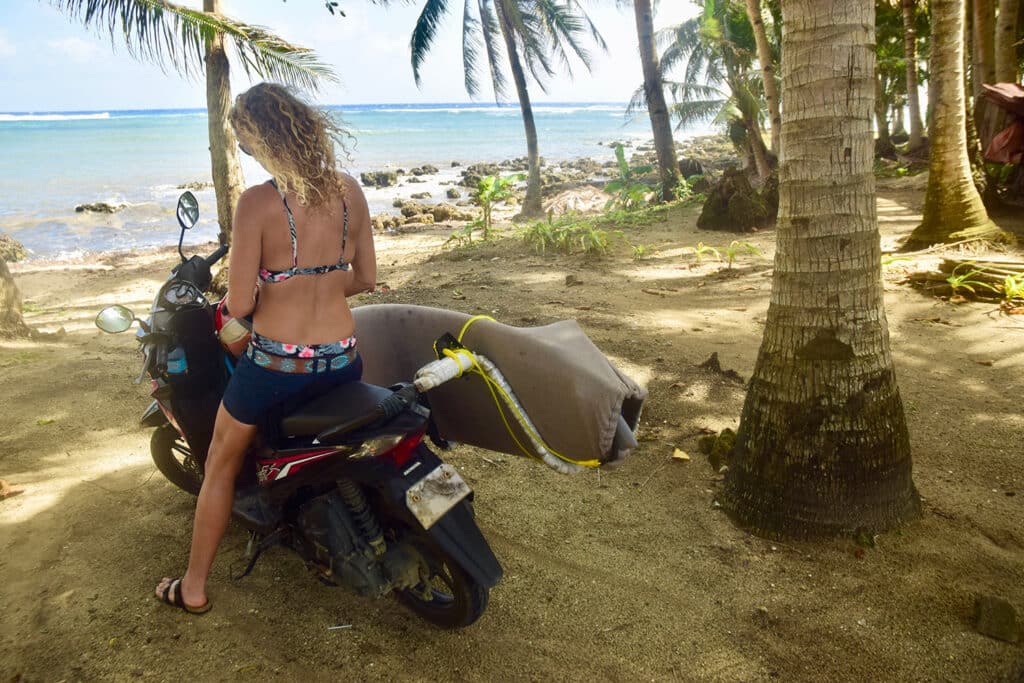
Siargao’s Cloud 9 is as close to Indo as you’ll find – hailed as one of Slater’s favourite waves and the reason that this tiny, tear-drop island hit the radar of surfers across the globe. It’s a heavy break and world-class on its day, but rest assured that you don’t have to surf Slater-style to make the most of this palm-fringed paradise.
The longboarding scene is huge here, with locals Josie Pendergast and Ikit Agudo styling in the line-up. A lot of the action happens on the outskirts of the main town, General Luna, namely at Guiwan – or Secret Beach – where gin-clear waves peel across a trio of peaks. It’s far from the secret spot its name suggests, but strap your board to your scooter and roam north, and you might just find some empty waves if you keep searching beyond those thickets of palm trees.
Need to know
July to October marks the typhoon season in the southwest, when Siargao’s Cloud 9 light up with regular barrelling days. Then the winter northwest swells push in from the Pacific between December to April. That said, it’s not an exact science, and it’s not the sort of place that delivers like clockwork. Our advice – just go and see what it delivers.
THE AZORES
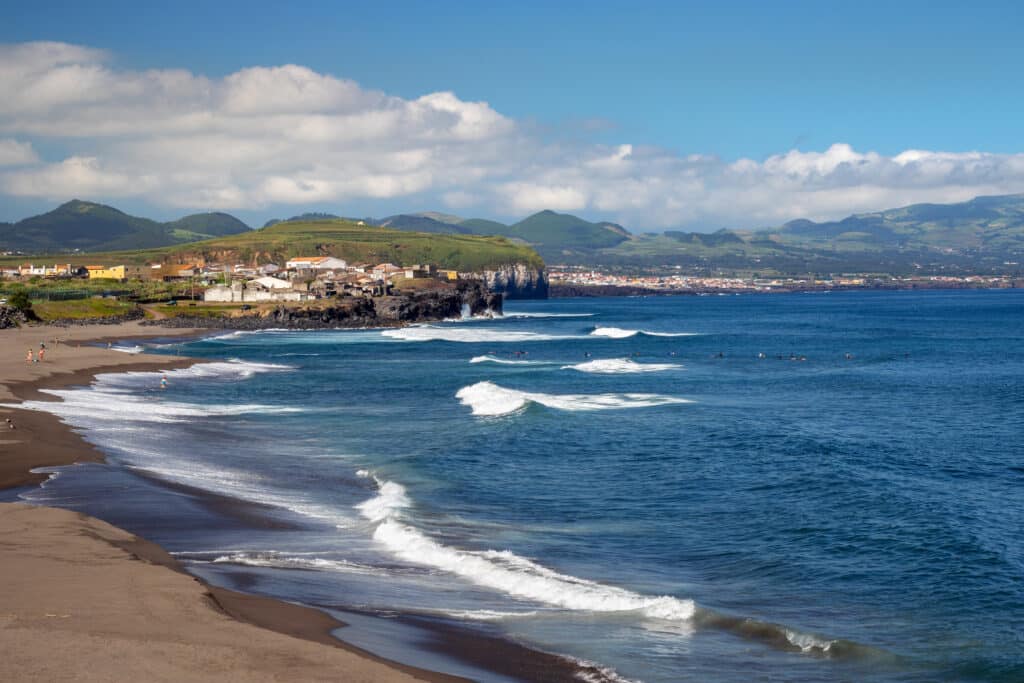
Midway between North America and Europe awaits an archipelago of nature-hewn islands, so often omitted from surfers’ travel lists. But why? We ask. Despite its remoteness, the Azores isn’t difficult to get to (there are low-cost flights from London, Europe and North America), and once there, thanks to 360-degree swells from the northern and southern hemispheres, the surfing opportunities are endless – and uncrowded. And no matter what you’ve heard, the adventure isn’t solely for experienced surfers.
In a nutshell
When you’ve crossed 840 miles of ocean to get here, you’re going to get some waves to yourself. Poles apart from mainland Portugal (except for the lingo and the delicious post-surf custard tarts), the Azores isn’t a land of surf camps and spoon-fed surfaris. However, away from the slabs and points that fire up in huge winter swells, there are a few much mellower black-sand beach breaks, with a handful of up-and-coming surf schools to go with them.
The vibe
Imagine one of the most wild and rugged territories you’ve ever stepped foot on. Where the peaks of ancient volcanoes have burst into the open ocean, hundreds of miles from anywhere. Rainforest-topped craters, monumental waterfalls and geo thermal pools, cradled by rocky shorelines inhabited by sperm whales, dolphins and eagle rays. Swells hurtle across the Atlantic, lighting up the nooks and crannies of the coastline, and the people are hardy, salt-stained and self-sufficient.
The breaks
I’d always dissed the Azores as being a zone reserved for the hardcore. In fact, back in 2022 the WSL cancelled their qualifying series here because it was too dangerous for the world’s elite. But don’t let this put you off. Beyond the heavy slabs and behemoth reef breaks, you’ll find there are waves for all levels of surfers.
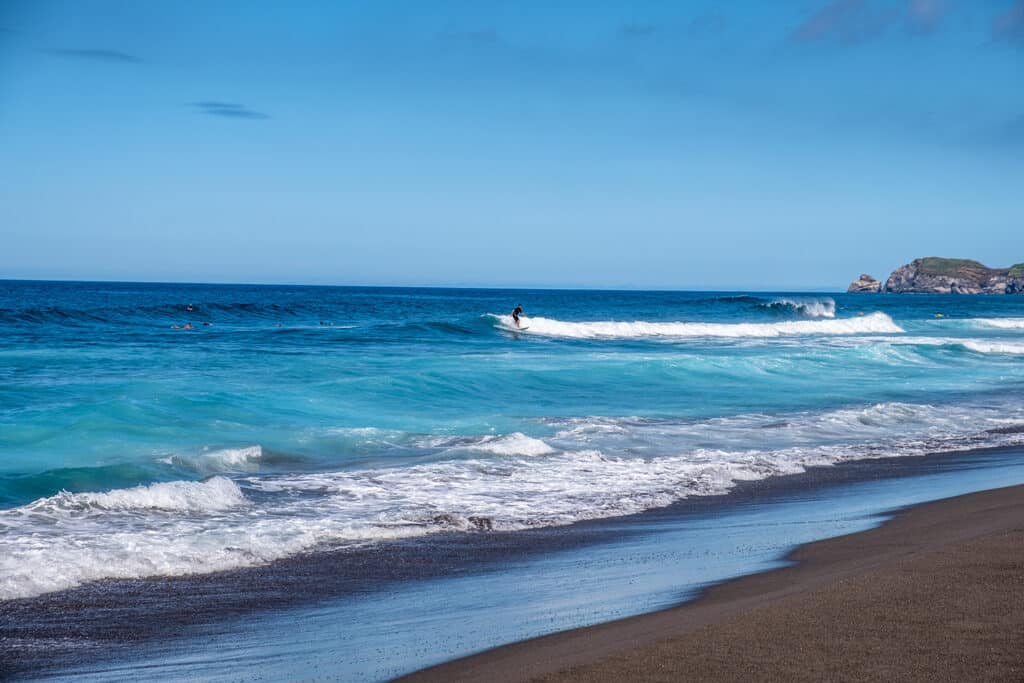
Being this far from anywhere, it’s not a destination for the fainthearted. But with nine islands to choose from, you don’t have to follow the chargers to the sucky tubes of Terceira. We’d suggest getting to know Sao Jorge, where you can watch the barrelling action from sheer-cut cliffs, and catch long lefts on the cobblestone break of Ermida de Santo Cristo.
Most newbies stick to the main island of São Miguel, which not only has the greatest variety of surf spots for everyone from loggers to shortboard riders, but also has the most sand-bottomed breaks (which isn’t actually that many in these parts). Mosteiros, Santa Bárbara and Monte Verde are some of the most inviting breaks, all of which can deliver the goods on a summer well.
Need to know
You don’t have to visit the Azores to catch the biggest bombs of winter. Although the northwestern Atlantic swells are a sight to behold here. However, you can score waves here in all seasons, and summer at the beach breaks is recommended if you’re a beginner.
You’ll need to rent a car, and the reason many of the breaks aren’t busy is because it really is quite an adventure to access them. Oh, and pack your waterproofs; it’s a rainy destination, too. That said, if you’re looking for an adventurous surf destination, you’ve truly hit the jackpot.
Mozambique
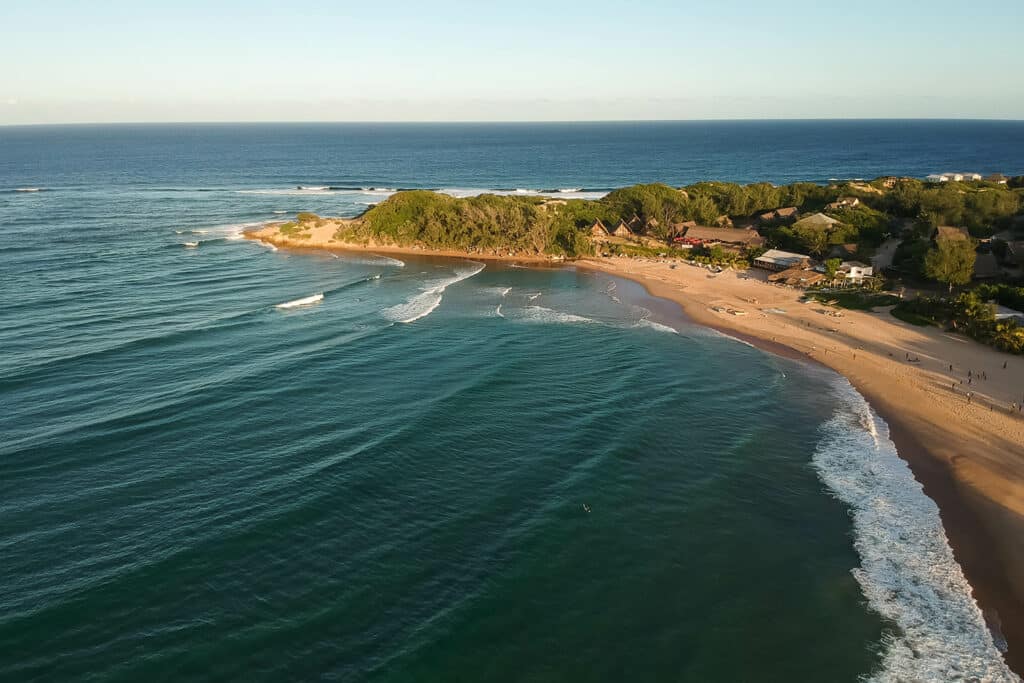
There are so many places to head off on an African surf adventure – Senegal, Liberia, Ghana and the Western Sahara trip off the tongue for starters. But at the top of the bucket-list, if you’re serious about empty breaks, crystal clear waters and a heady mix of reef and sand-bottomed breaks, then it’s got to be Mozambique.
In a nutshell
Of its 2,500 miles of coastline, around 400 miles light up from April to September, mostly in the exposed Inhambane province that curves south to meet South Africa. Commandeer a 4WD and follow wiggling stretches of white-sand shoreline littered with sandbanks and points that deliver again, and again, with each SE pulse.
The vibe
Think Latino Africa. In this ex-Portuguese colony rich in waves and wildlife, it’s all about going on surf safari, with conservation at the top of everyone’s agenda. You could be out tracking elephants, diving into the vibrant underwater world, taking a catamaran through the mangroves, or rolling down the dunes to catch empty waves. Fishermen knock on your door with prawns, tuna and red snapper, community projects work to protect the coral, and dive schools take you out into the deep.
The breaks
The jumping-off point, and the heart of Mozambique’s surf scene is the small town of Tofo. All levels of surfers can reap the delights of its mellow beach break and peeling right-hand point break. Plus, as the unofficial surfing capital in these parts, there are surf hotels (Fatima’s if you’re on a shoestring, Turtle Lodge if you’re not), and surf schools (@thesurfshacktofo) amidst the mix of seafood, coconut and rum vendors.
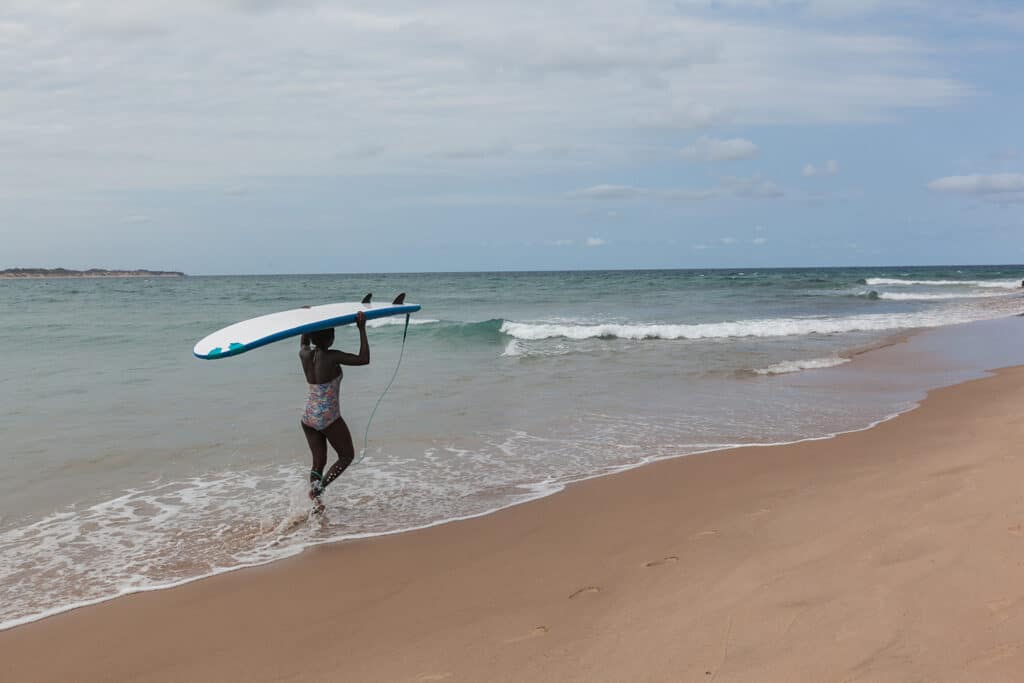
However, remember you’re here to hit the lesser-known spots, so don’t linger – get behind the wheel to the likes of Ponta do Ouro, a big horn-like headland blessed with an impossibly turquoise right-hander. Make sure you’re stocked up as you venture onto the more remote Praia de Závora, where your efforts will be rewarded by empty walls backed by dunes. The quality of the surf is more beholden to the banks and a 4WD is essential, but you’re guaranteed to avoid the line-up hustle and on its day it’s a banging location.
Even lesser-known, Pomene is actually the longest righthand point break in Mozambique. It takes about four hours to get there, is epic on its day and is also a diving Mecca.
You can go on organised trips to different breaks from Tofo, if you don’t want to travel alone.
Need to know
The season is April to September. It’s pretty fickle outside of these months, but you can get surf year round. Rent a 4WD truck decked out with everything you need and set off your adventure. Don’t travel after sunset, and give yourself a couple of hours before dark to set up.
Yes, there are sharks. But there’s plenty of sea life, so you’re not top of the food chain. Plus it keeps the crowds at bay. Avoid dawn and dusk.
Northwest Spain
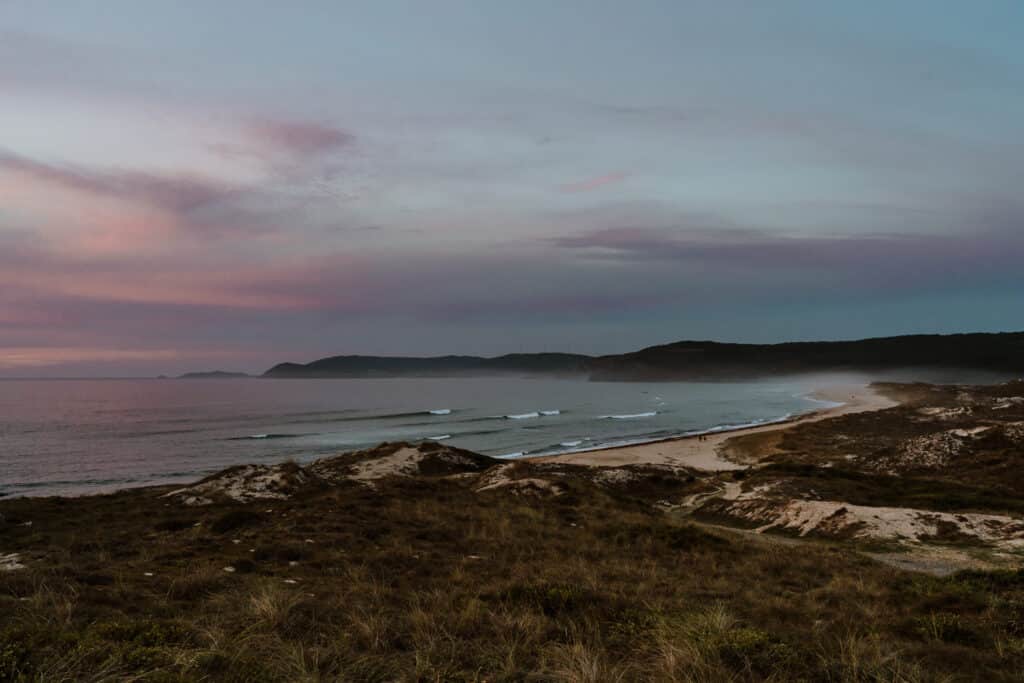
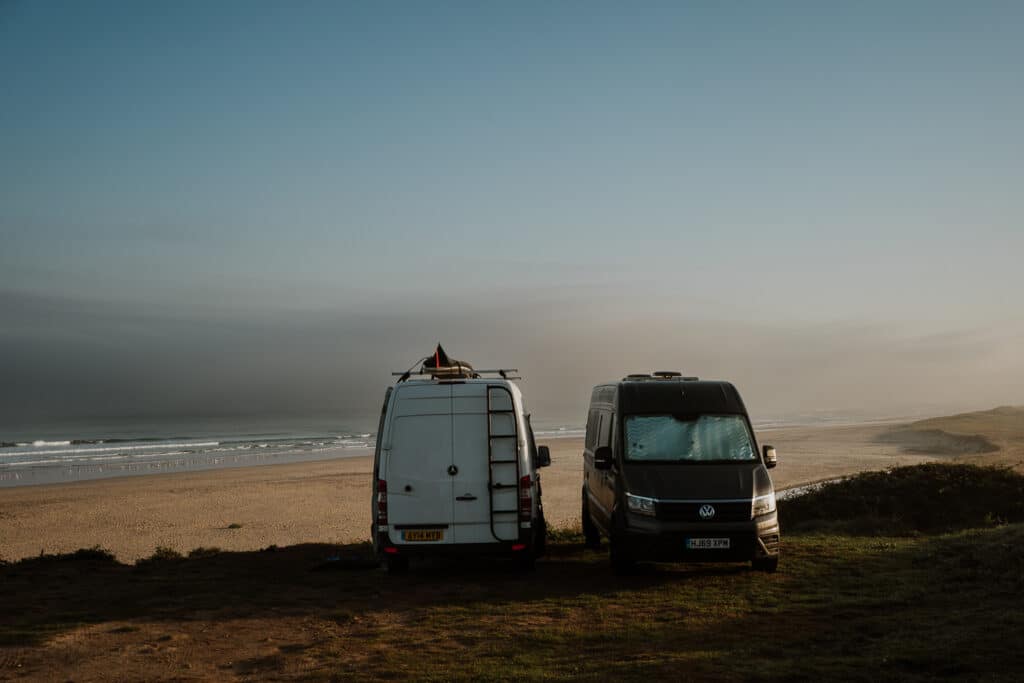
Southwest France gets all the cred and the crowds for the reliability of its waves and punchy autumn swells. And Portugal is the easy-to-get-to European hotspot with endless waves, sunshine and surfy vibes. But if you’re doing a European roadie and in search of crystalline waters, crowd-free nooks and an untamed coastline for van camping and surfing adventures, then Spain’s northwest is calling you and your quiver.
In a nutshell
Beyond the old-world charm of the Basque Country await the mountain-backed breaks of Asturias, luring surfers with the patience to pause here until the northerlies switch their course and groom incoming swells. Yet the wildest beauty lies at the end of the land in Galicia, where adventurous surfing souls can still find empty, coldwater breaks sheltered from the northerlies, while treading in the footsteps of pilgrims and trans-Atlantic smugglers.
The vibe
With its own language, a distinctive culture and capital city marking the end of the Camino de Santiago pilgrim trail, Galicia’s vibe is unique and independent – in the water, and out. Pack up your van on self-sufficient adventures and you can step into dramatic landscapes and brave wild, bracing waves, where wildlife abounds. The view around every corner stops you in your tracks, and each adventure is rewarded empanadas filled with local seafood, hearty stews of turnip tops and chorizo, accompanied by crusty Pan Gallego.
The breaks
As you swing out of Asturias, one of the first breaks worth making camp at is Praia de Esteiro, where evergreen forests tumble onto the sand dunes, and a long left-hander reels across the bay in medium-sized swells. Heading west, check out the perfect crescent bay of Praia Sarridal, between two mountains at the tip of its own peninsula.
A little further on, Pantin has turned heads to the surfing delights of Galicia, with its annual WSL surf comp and huddle of surf schools on its truly stunning shores. Catching the brunt of the NW swells, there’s pretty much always a wave, and it’s a good place to slip into the region’s surfing lifestyle and acclimatise yourself to the cooler waters, before heading onto the furthest reaches and deserted breaks.
Beyond Pantin awaits the sugar-white sands, cold, empty waters and oh, so wild and dramatic landscapes of the Costa del Morte. A surf explorer’s dream, it’s rare that you find two neighbouring spots facing in the same direction along a higgledy-piggledy coastline. Playa de Traba offers plenty of peaks on the north-west tip, and you can hunker from the northerlies at the next little surfing enclave of Nemiña.
Need to know
Pack your phrasebook and brush up on your Spanish. It’s a friendlier place when you can speak a little of the language. The swell season is year-round and there are beaches for all conditions – however it’s much more difficult to find shelter from the big NW winter swells. Get up early and you’ll find empty waves if that’s what you’re looking for; just steer clear of the busier breaks around Ferrol and Foz if you don’t want to battle the locals for waves or worry about pretty thieves.
“In Galicia, where the mountains meet the sea, there are breaks for most conditions and you can find amazing wild camping spots overlooking the surf.” Alexa Poppe.
Papua New Guinea
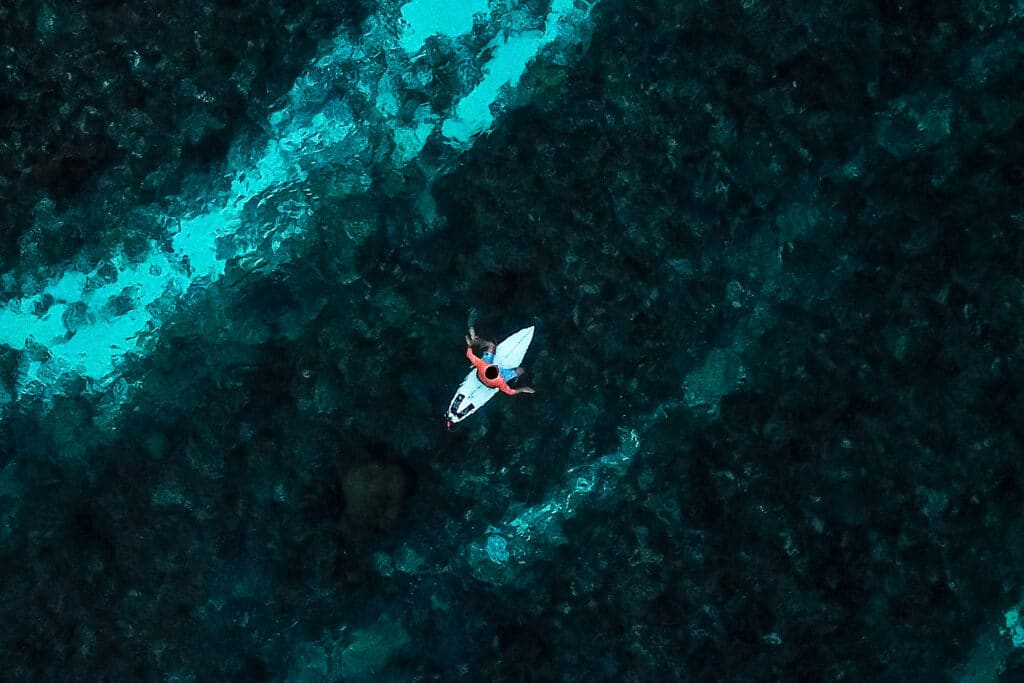
Ancient seafaring culture, tick. Out-there location, tick. Breathtaking bio-diversity jungle landscapes. Tick. Oh, and waves. Tick. PNG hit our surf radar in 2017, when Easkey Britton was part of the Pink Nose Revolution – an initiative to promote gender equality by giving female surfers ownership of half of the surfboards donated to the Surfing Association of Papua New Guinea. It was the same year that PNG held its first international surfing competition. Yes, it’s a long way to go, but it’s a once-in-a-lifetime trip and you don’t have to be a pro to surf its wide variety of breaks.
In a nutshell
Between Australia and Indo in northwest Melanesia awaits an island nation built on ancient cultures steeped in seafaring and surfing traditions. Waves that peel on tropical reefs littering the shoreline and outer isles that have been ridden by locals on wooden boards hand-carved from tree trunks as far back as anyone can remember. Now the local surf scene has thrived with the influx of surf tourism and boards donated by travelling surfers, but its roots have been preserved by local surfers now hand-shaping their own boards using local balsa in Tupira.
The vibe
Pristine landscapes and tropical vibes where coastal plains, flooded delta regions and mangrove swamps edge the shoreline. Proud of its surfing heritage and keen to keep it that way, back in 1989 the Surf Association of PNG – a leading force in sustainability and social empowerment – handed stewardship of each break to the local community that lives beside it. Visitors now pay a small fee to surf there, and numbers are controlled. So yippee, for crowd control, but more importantly you know that your bucks go towards community projects and water sanitation, not into the pockets of a local land mafia.
The breaks
Beginner to expert. Fat waves for fish surfboards and longboards. Hollow, heavy reef breaks where you can get barrelled. Offshore and onshore breaks within ten minutes’ walk of the same village. It’s all there. Without the crowds.
The waves around Kavieng and the east coast are the most exposure to swells, with the likes of Pikinini and Nusa Lefts luring tube hunters. If you’ve got a nose for adventure, believe it or not, there are still new breaks being discovered in these parts.
You’ll share the A-frames of the New Ireland East Coast with the local kids on their wooden boards. However, it’s in the far west of PNG in Vanimo where you can easily to access a range of breaks for all levels on foot or via a short paddle. Plus you’ve got rights that are often working in the mornings, and lefts that switch on like magic in the afternoon breeze. Boat trips will also take you to unaccessible breaks throughout the archipelago.
Need to know
Go from November to April for consistent swells for all abilities. You need a UPF rashvest, hat and sun protection – you’re close to the equator and it’s scorching out there. Reef boots are essential, too.
Make sure you get out and explore the underwater world – there’s an amazing array of sea life and wreck dives. And don’t forget to explore the caves and waterfalls. Out of the water, join in a tribal sing-sing.
JAPAN
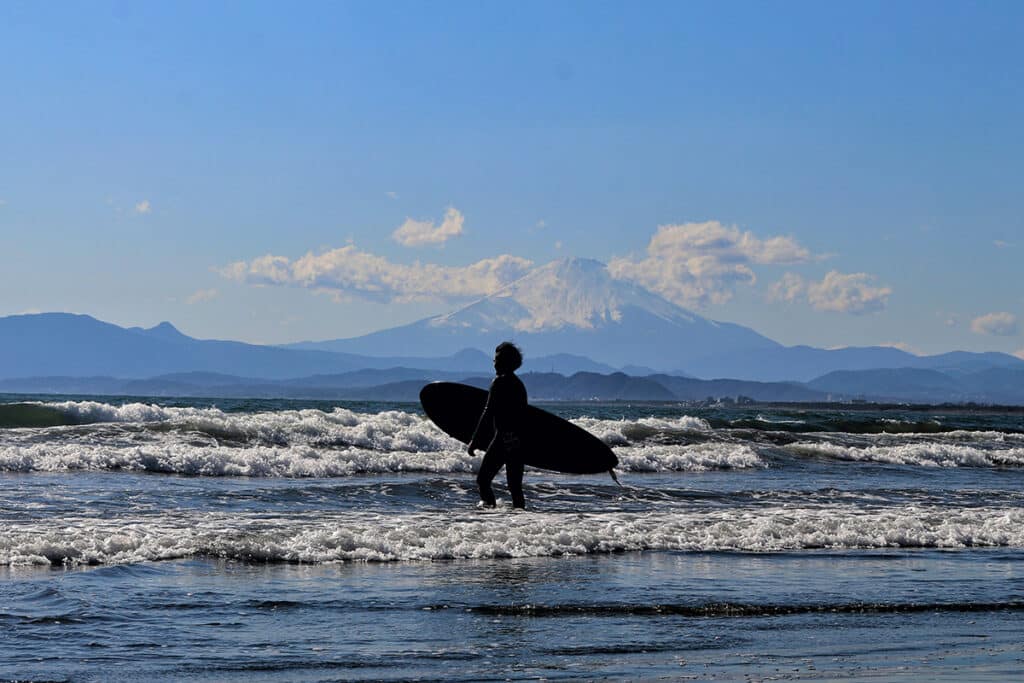
So, Japan isn’t exactly ‘off the beaten track’, having made its Olympic debut in 2020. However, it’s not on many people’s surf radar. Its disputes with Russia and an active whaling industry are off-putting, but it’s worth considering that there’s a vast 30,000km of coastline, around half of which is bordered by the Pacific. Add to that an annual storm season that brings with it a couple of months of glassy waves, and it becomes clearer why it’s on our list.
In a nutshell
What with an other-worldly landscape backed by stunning, snow-capped peaks, an array of breaks and an intriguing culture, Japan’s got some very alluring credentials. The surf here is a fickle beast, and it can often be a waiting game for those epic days. But when typhoon season hits – from August to November – many of its breaks go off like clockwork. And when it goes off, there are waves for all board sizes and abilities. You’ll need a decent winter suit for the cooler water temps up north, but it warms up as you drift south.
The vibe
With a tentative approach to tourism, Japan’s surf scene is still blooming. While it’s a joy to mix urban life and wave riding, the breaks close to the cities attract the crowds and localism, so get adventurous and explore the quieter locations. Even outside of typhoon season, there are waves to be found.
The breaks
Chiba (home of the Olympics) is the go-to surf spot in the Land of the Rising Sun. And close to the metropolis of Tokyo, the well known Fukushima area picks up the swells – as well as surfing masses and some heavy localism. However, just far enough from the cities of southern Honshu to deter the crowds, you’ll find anything from ankle slappers to powerful wedges at the more laidback Sendai.
If you want that classic shot of surfing with Mount Fuji in the backdrop, head to Chigasaki. It’s not exactly a swell magnet, but the jetties provide some long rights and even on smaller days there are few little A-frames beckoning beginners. If you’re looking for Japan’s Waikiki, the white-sand bays of Shirahama are made for logging. Or, if mechanical righthand barrels are more your style, head south to Shikoku Island – home to some of the best rivermouth waves in the world, and a region mostly untapped by tourism.
If it’s the combo of snowboarding and surfing that’s brought you here, it’s the northernmost of the four main islands you want to head for – Hokkaido. Between mountain runs you’ll find a few wave-riding gems on the west coast, but be prepared for bitter temperatures and watch out for icebergs.
Need to know
The best time to surf in Japan is during typhoon season – from August to October/ November. However, if you’re prepared to put the miles in, you can often find surf at any time of the year. Despite its unsettled relations with Russia, Japan is generally considered a safe country to visit, and much of it is untapped by tourism.
CHILE
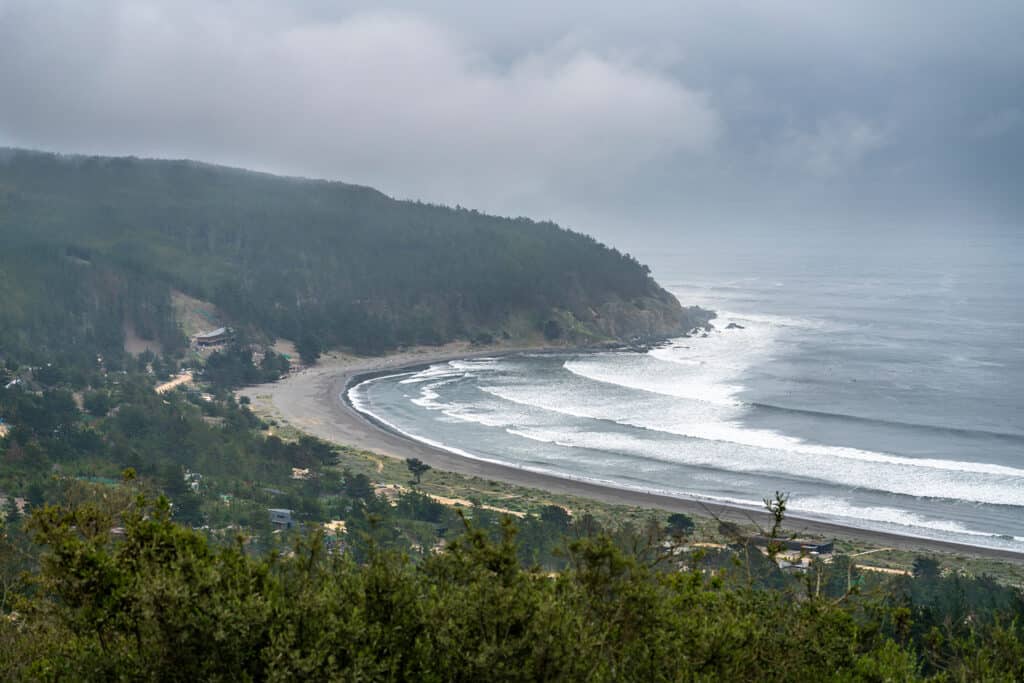
A goofy-footers haven stacked with miles-upon-miles of empty lefthand point breaks, despite being home to a World Surfing Reserve, Chile is still a low-key surfing destination. Perhaps because it’s hard to stick a pin in its 2,400 miles of surf-lashed coastline and know where to start. If its vastness is appealing, it’s time pack your adventurous spirit and hop on a flight to Santiago.
In a nutshell
Dubbed the ‘land of the left’, Chile’s impressive coastline stretches from the Atacama desert to the islets of Patagonia. Littered with year-round waves for all levels, it’s a veritable surf traveller’s dream – whether you’re a goofy-footer or simply keen to improve your backhand. Being such a long, narrow country, wherever you happen to be in Chile, you’re never that far from the coast. So it’s up to you if you want to watch the show-stealing big wave break of Punta de Lobos, pull into freight-train barrels down south or find your feet on a crumbly, black sand beach break.
The vibe
While Chile’s surf hubs are spread along its vast length, the surf towns of the north exude a laid-back vibe, with a focus on beach life. Pichilemu and Maitencillo are both vibrant, hippy-chic ocean towns lined with cool beach hotels, restaurants, bars and surf set ups. While the main spots can get busy, it’s never too hard to escape and find an empty peak.
The breaks
Kick off your adventure in the surf capital of Pichilemu, about three hours from Santiago. It’s home of the famous Punta de Lobos (Point of the Wolves), where 30-foot-plus swells break in front of a huge cathedral-like rock. However, most mere mortals come for the barrels of Inferno and A-frame peaks that break onto black sand beaches. Beginners might prefer to find their feet further north on the forgiving waves of La Boca de Concón and Maitencillo – the latter being an ideal base not too far from Santiago, with a series of sheltered, mellow reef breaks. At Chile’s extremes, right up on the border of Peru, the warmer Arica and Iquique resemble Baja-style set ups, while right down south, only hardy explorers with their own wheels seek out the cold, freight-train barrels of Punta Pullay and Playa de Llagua.
Need to know
The water in Chile gets progressively colder the further south you head, so add another layer of neoprene for every bite you intend to take out of its bottomless coastline. You can find waves in every season, but there are prime surfing months for each region: December to March in the North, May to August in central Chile, and April to May for the spring/ winter swells down south.
The wrap
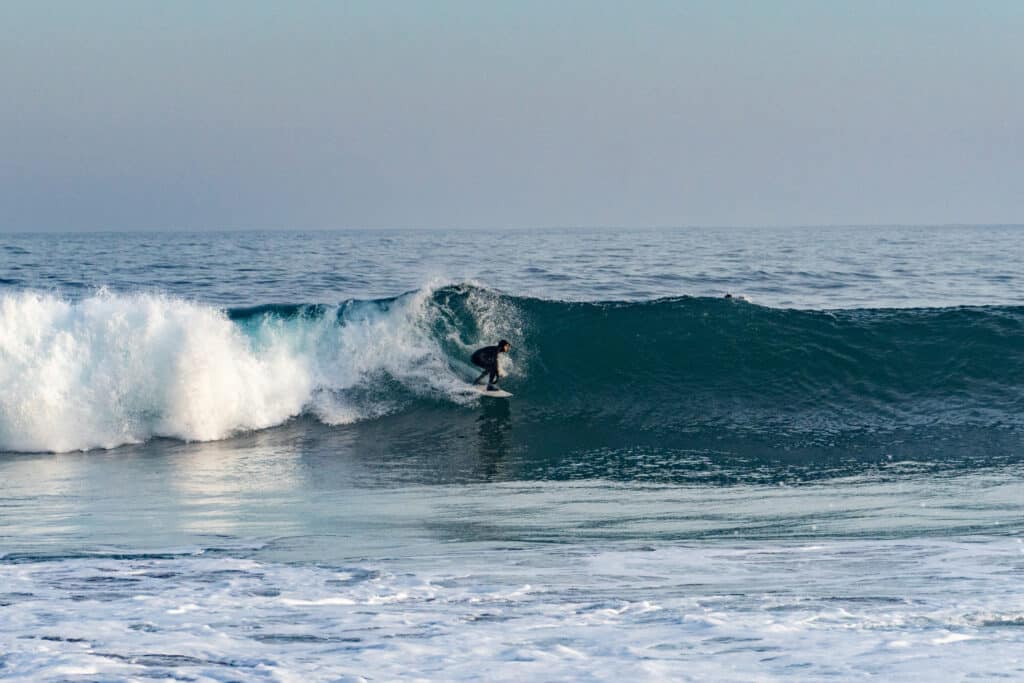
When you pack off to a more remote surf destination it’s nothing like rocking up to a fully-fledged surf camp where everything’s laid on for you and surf guides take you to the best breaks on tap. Do your research before you go. Get the lowdown on the conditions, the culture, getting around and any hazards. Pack lightly – but don’t forget to take a map and a phrasebook because you can’t rely on Wifi everywhere you wander. Be prepared to surf empty waves and have the time of your life. It’s time for an adventure.