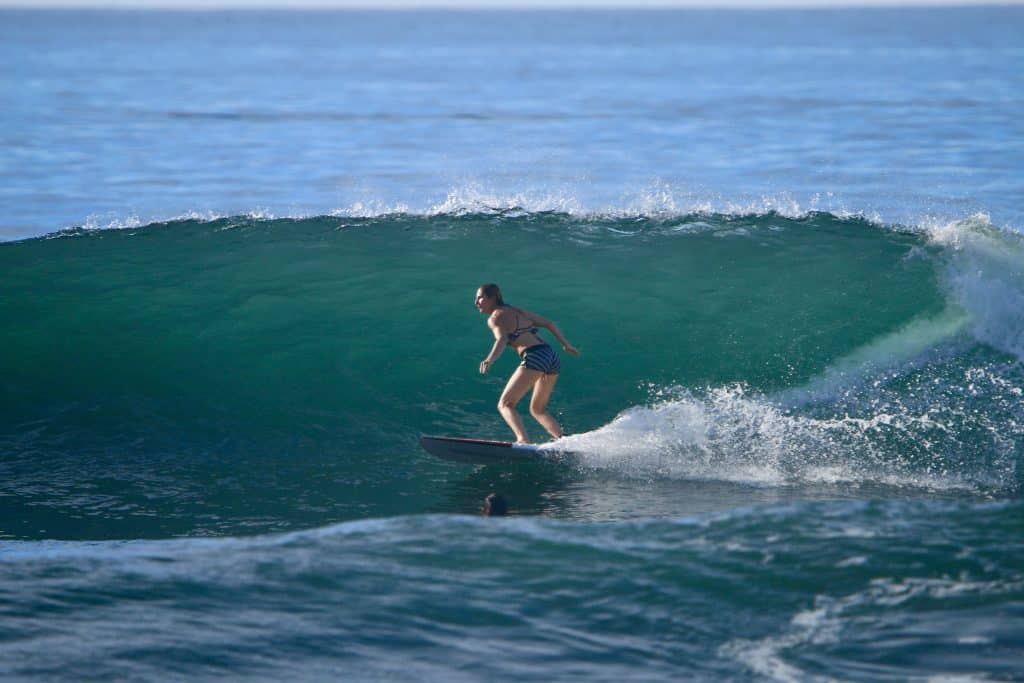
Point breaks, palms and pupusas – El Salvador’s swapped a war-ravaged past for a bright surfing future.
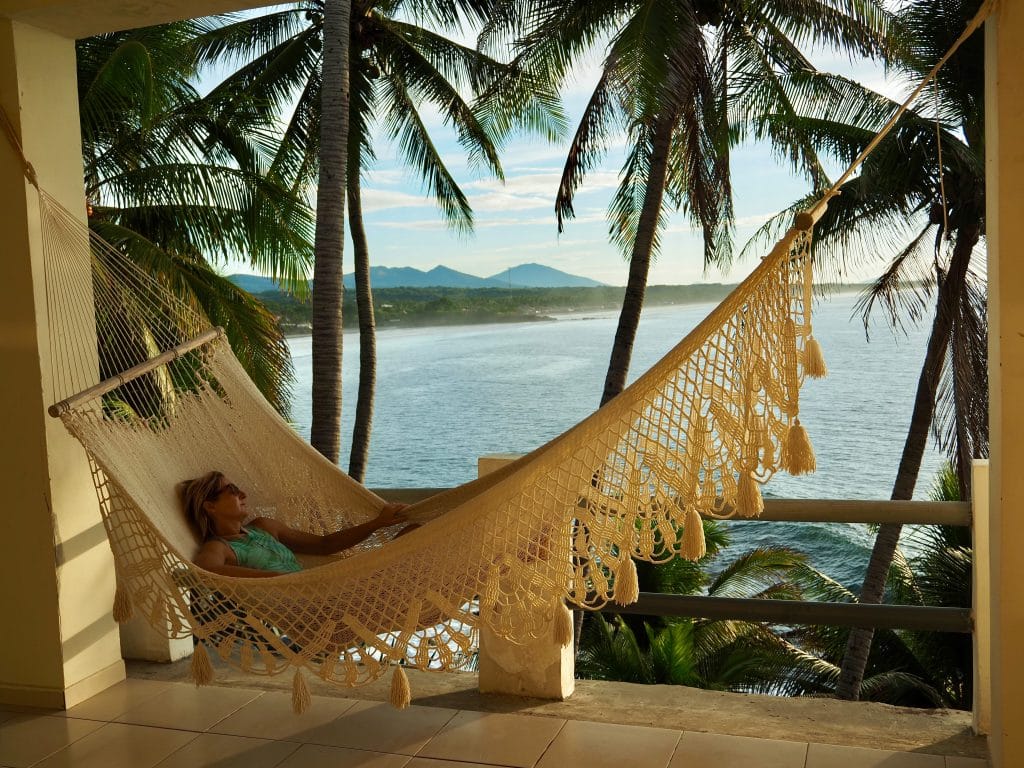
Salt-stained and bikini clad, I heartily tuck into huevos rancheros, watching the breeze begin to ruffle the morning’s glassy a-frames. I’ve been sandy-toed since sunrise. Yoga on the beach under dusty pink skies, before paddling out for my fill of mercurial peelers. Just a handful of surfers and swooping pelicans for company. It’s 8am and almost time to hit the hammock. Welcome to El Salvador.
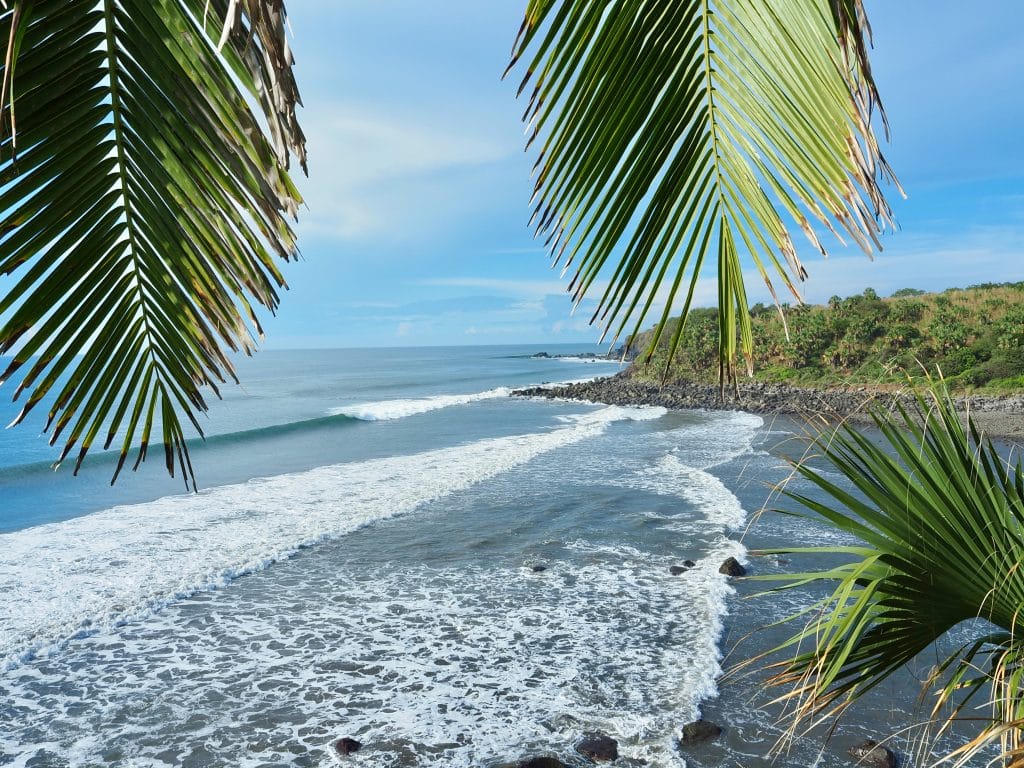
The smallest country in Central America has long been on my radar for a surf trip. Not only the ‘land of volcanoes’, El Salvador is also the land of righthand point breaks. Its palm-fringed coastline punctuated by a series of cobblestone points, where perfect waves peel in from the Pacific, day after day, after day.
Surf travellers started to share mesmerising images of El Salvador’s waves in the early 70s, but a subsequent 12-year civil war pretty much brought tourism to a halt while the country battled drugs, gangs and poverty. Now, under President Bukele’s iron-fisted approach to crime, and his monumental investment in surfing as a catalyst for a brighter future, it seemed high-time to visit this wave-riddled paradise; now one of the world’s fastest growing surf destinations and one of Latin America’s safest countries.
Seeking the laidback, real-deal El Salvador experience, on a let’s-do-nothing-but-surf trip with my boyfriend, we skipped past the famous Punta Roca (revered as one of the world’s best waves and part of the WSL Championship Tour since 2022), and slipped into beach life in the bohemian beach village of El Zonte (about 15km further west). Despite the government ploughing millions of dollars into the creation of El Salvador’s ‘Surf City’ project, El Zonte are still relatively cocooned from mass development. But things are changing fast.
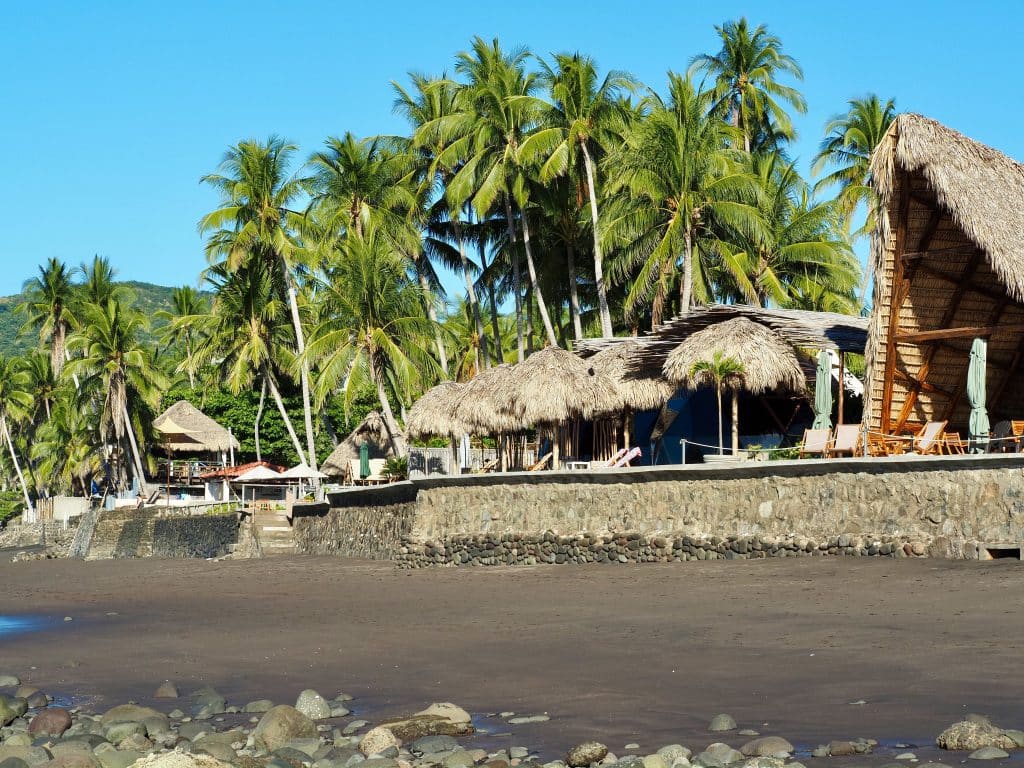
For now, the black-sand beach is home to a small muddle of eateries and accommodation, and a melting pot of surfers, yogis, backpackers, families and locals. Days are dictated by the tide and swell, a shady hammock in the midday sun, and much ado about nothing except sea dips and surfs, Pilsners and pupusas (a local dish of maize pockets filled with beans, seafood and cheese).
“I grew up surfing here, and there are waves all year round,” the owner of Zonte Surf School told me. And sure enough, no matter what the forecast predicted, there was surf every single morning of our trip. Staying right beside the beach at Esencia Nativa, we opened our eyes to streaky pink and orange sunrises lighting up a-frame peaks on the boulder reef just seconds from bed.
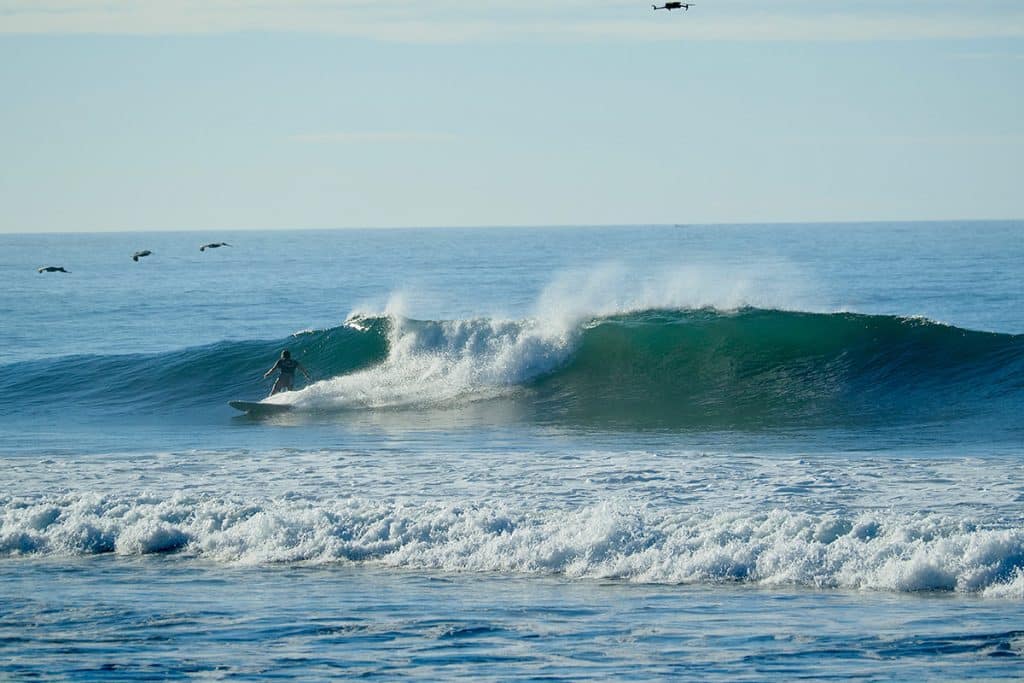
However, the beach break isn’t the main surfing attraction. Just a few sandy footsteps away awaited the more popular, mechanical right-hand point break. A magnet for crowds as well as swell, here patience was always rewarded by long, thigh-burning rides, where time slows down and the line-up hustle slips away.
On bigger days less competent surfers vanished from the line-up, as did the huddle of learners getting pushed onto waves by private instructors. The bar raises with every foot of swell, and the locals take off deeper and steeper in a magnificent display of knowledge and skills on every slide. There’s hooting, smiles and encouragement in the water, and a natural camaraderie between the female crew – many who were travelling solo, and some who’d joined intensive surf experiences at the luxurious shoreside Puro Surf.
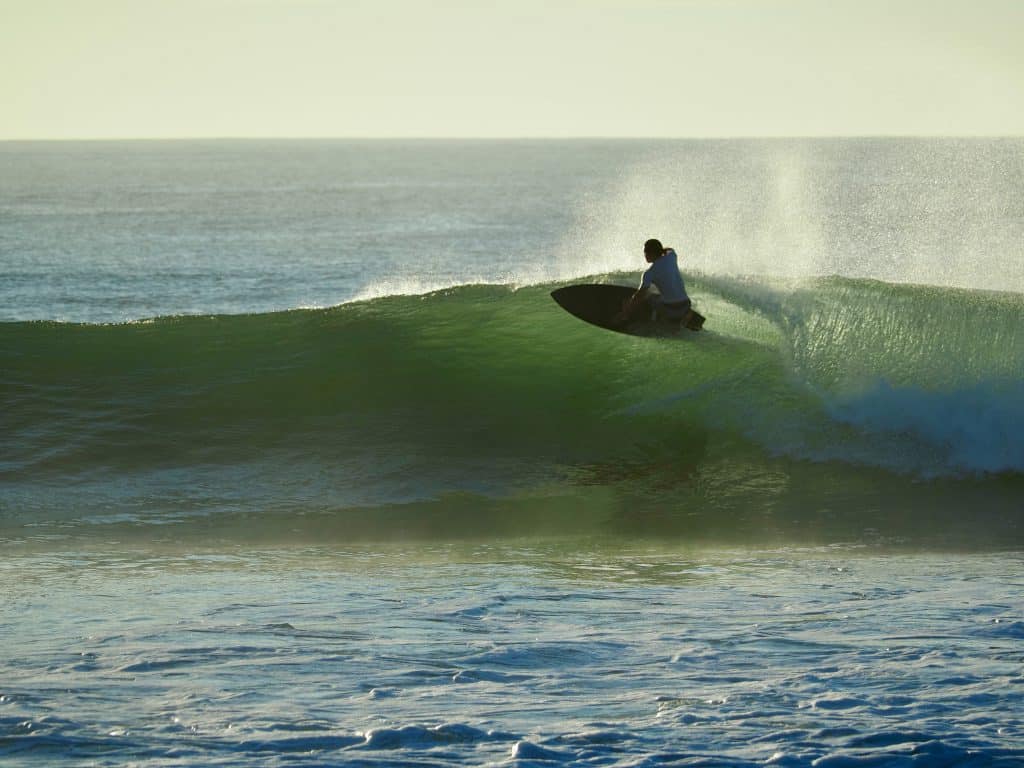
Most days the onshore breeze kicked in like clockwork between eight and nine in the morning, beckoning me back to shore for breakfast – huevos rancheros, pancakes, and piles of fresh fruit. There are volcanoes, lakes and Mayan sites to visit, but we chose to spend lazy days swinging in the hammock, exploring sea caves, body surfing and cooling off with ice shavings laced with sweet toppings from beach vendors. Simply letting time slip by before a sunset surf or sundowner. Early to bed, early to rise, eager for the sublime sunrise sessions on repeat.
For now, the lifestyle here is stripped back and easygoing, so it’s hard to imagine just how much Zonte might change in the face of the Surf City developments spreading up the coast from La Libertad. You can already hear the rumble of building works accompanying the beat of the waves, and eco-chic surf resorts and coffee gardens are popping up between pupuserias and rustic beach bars. The first apartment blocks towering high above the beach.
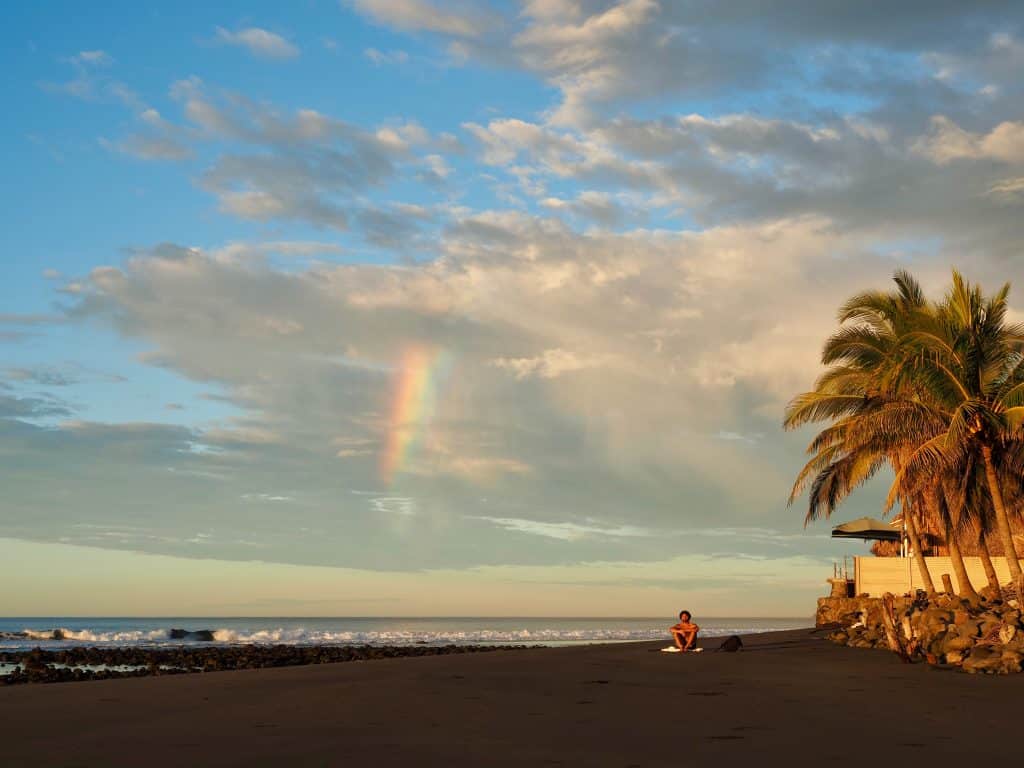
El Zonte’s set up is by no means unique in El Salvador. The ‘land of rights’ is littered with perfect righthand pointbreaks, and you don’t have to stray far along the coastline to find them. Head west, and it’s just 10 minutes’ by bus to the more remote K59 surf break, where turtles and pelicans reign the line-up, and the Super Coco vendor greets you with an ice-cold coconut after your session.
Head east and it’s just 20-minutes by bus to El Tunco and the heart of Surf City. This stretch of coastline is El Salvador’s beacon of change, with surf-led developments along the shoreline from El Sunzal, all the way to the internationally-renowned Punta Roca. El Sunzal is a longboarder’s dream, delivering freight-train rides from outback to its cobblestone shore. Less wind-affected than Zonte, with a more forgiving take off, it’s one of the best waves in the region for intermediate surfers, with plenty of surf-side camps, hotels and kit hire. No doubt it’s utter magic to witness on pumping swells, and it was also the venue for the culmination of the 2024 WSL Longboard Classic, in which Taylor Jensen and Rachel Tilly were crowned champions.
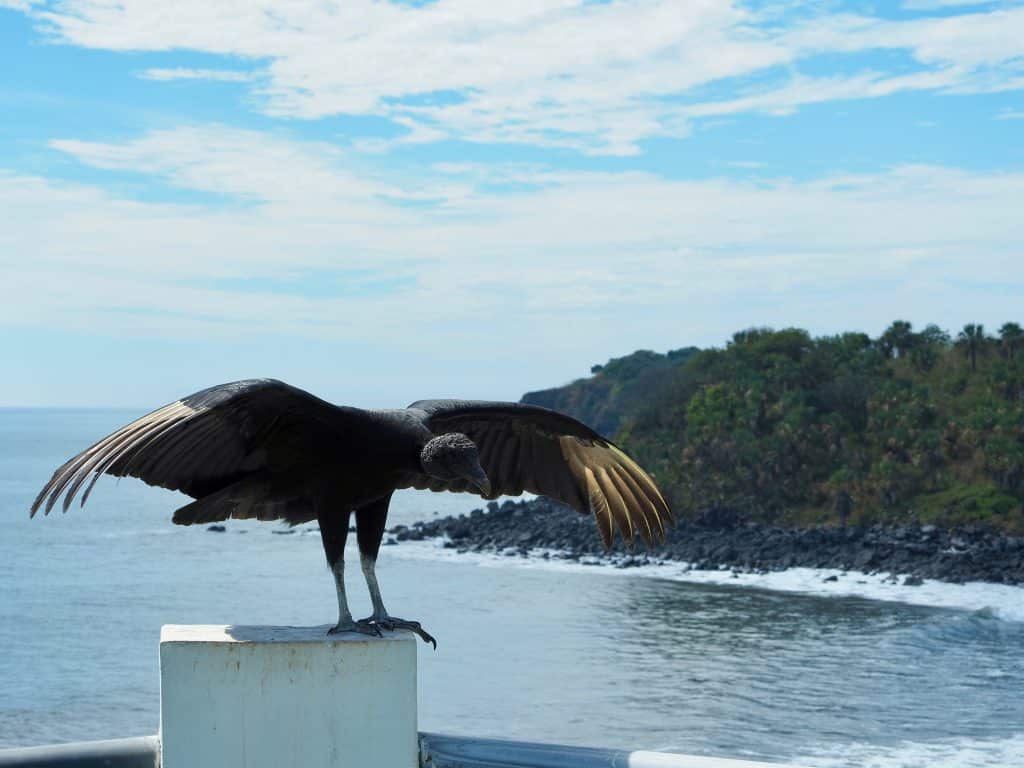
Most of us have seen the punchy perfection of nearby Punta Roca on our screens during the WSL tour, which is the stomping ground of many of El Salvador’s top shortboarders, including Brian Perez. However, their top female longboarder, Sindy Portillo, hails from further east at Las Flores – the next stop on our trip. Three hours’ drive from La Libertad, Las Flores and neighbouring El Cuco are cradled by a much wilder stretch of coastline: Jungle-backed shores where lizards scuttle, vultures soar and the silhouettes of volcanoes and Nicaragua lurk in the distance.
El Cuco is a vibrant beach town where the El Salvadorian’s come to holiday. Gone are the topknots, yoga pants and ‘white skins’ (as we’re referred to by locals), and the beach is abuzz with Mariachi-style music, kiosks selling sombreros, ice shavings and inflatables, and boats blasting offshore for full-throttle fun rides beyond the waves. In the early morning light we find stray dogs and baby turtles on the beach. While at night the fiesta music continues, pupuserias flip corn pockets on streetfood grills, and plates are piled high with platanos fritos (fried bananas) at pavement cafés.
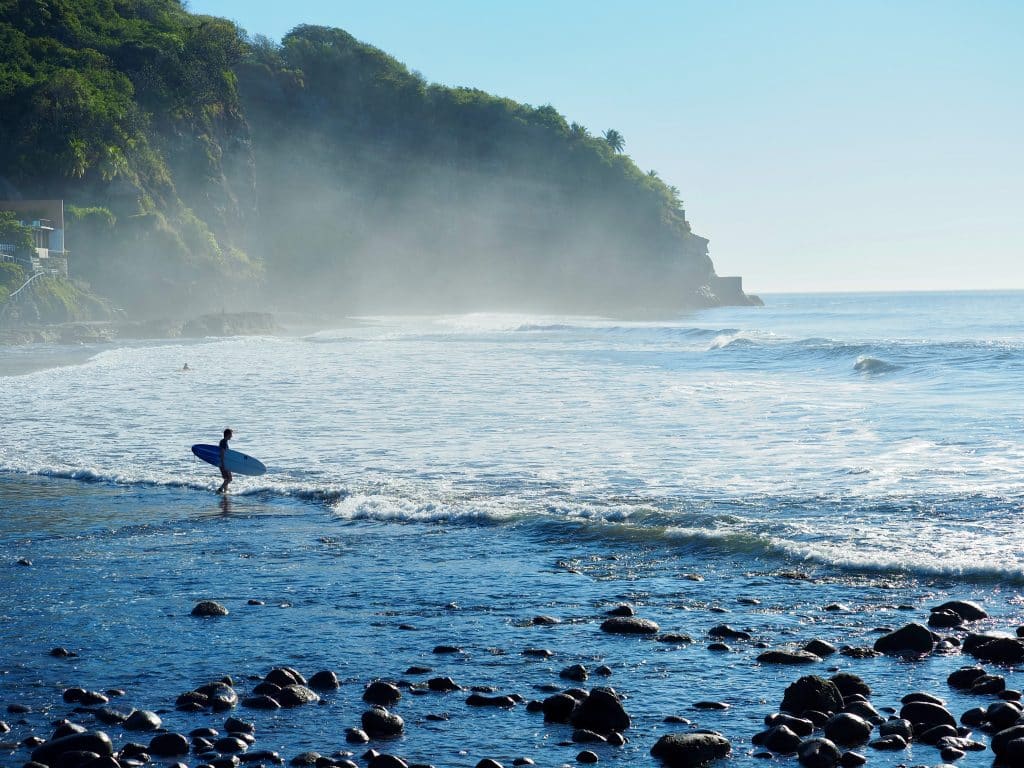
At its very western tip, the beach meets Las Flores – Portillo’s home break and a world-class right-hander that wraps around a rocky headland. On small swells it’s longboard heaven, and when it picks up it fires long, barrelling rides around the point. This end of the beach is quieter than El Cuco. There’s a couple of vendors selling ice shavings, tasseled sarongs and souvenirs, and a few locals gather in the shady café for fried fish and sodas in the shade, while their kids paddle and cake themselves in black sand. Then there’s the steady trickle of travelling surfers, like us, who bed down in the smattering of surf accommodation popping up on the palm-fringed shores.
During our stay the surf is mellow and fun-sized, delivering dreamy dawn sessions that lure us out of bed for loops of leg-aching slides from a molar-shaped rock to the shore. It’s not as crowded as the point at El Zonte, and again it’s a handful of locals that take off the deepest, skilfully carving the high-line through a section hemmed by jagged boulders. A ding repair shack at the beach entrance suggests that not everyone makes it around the rocks unscathed, and on low tide sessions a few late take-offs leaving me floundering in the ‘boulder garden’.
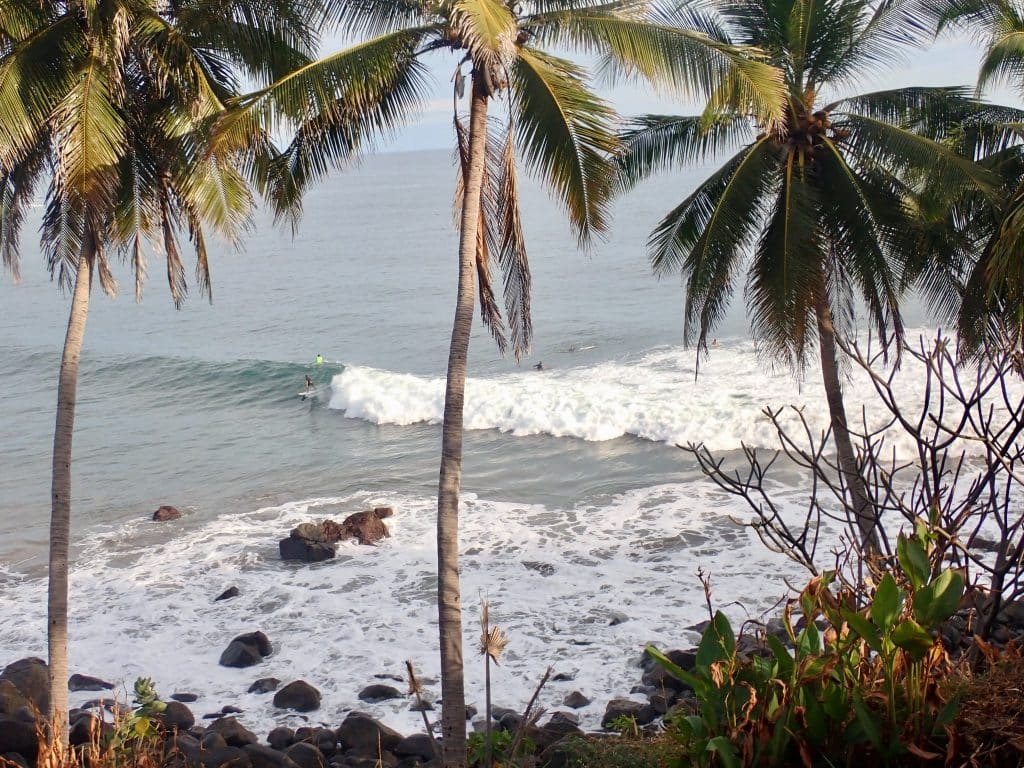
During most of my sessions I’m greeted by a smiley and elegant longboarder, who cheers my best waves and lights up the line-up with her style and grace. It’s not until I get to the airport and see a picture of El Salvador’s longboarding star that I realise I’ve been sharing the line-up with Sindy Portillo herself. Portillo is somewhat of a trailblazer in women’s surfing in El Salvador, inspiring a league of young surfer girls to find their place in the waves. Many local children don’t know how to swim, like 10 year-old Gabriella, who I pushed into her first waves on my boards, after she told me she’d seen surfing on the telly but didn’t know if she’d ever get to try it. With surfing in the national spotlight dynamics are changing. Social projects like Hijas del Mar – led by a surfer from La Libertad – are raising a new generation of surf girls, and empowering young women in coastal regions through surfing and ocean skills.
However, El Salvador’s renaissance through surfing isn’t all for the better. Las Flores marks the start of a second multi-million dollar Surf City, planned to transform the coastline all the way to Punta Mango, the area’s most famous wave. Until recently Punta Mango was only accessible by boat, and now a bumpy 10km drive takes you to this punchy, hollow right. A few surf lodges already grace its once-remote shores, and if plans go ahead, it won’t be long until a smooth tarmac road provides easy access to a series of cobblestone points along this stretch of coast. While it will inevitably drive more surf tourism, it will cut through nature reserves and mangroves, evicting local farmers and fishing communities in its path. So while Surf City adopts the waves and as a symbol of hope for a better future, the race to be one of the world’s top surfing destinations is also set to redefine the coast in less positive ways.
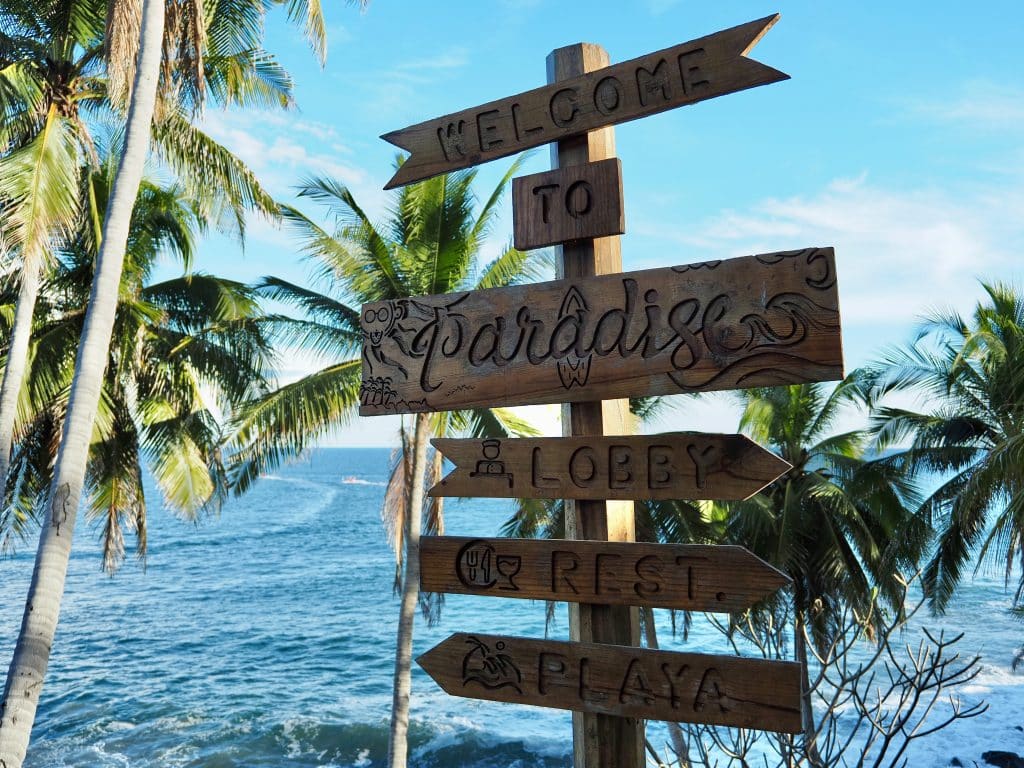
Punta Mango needs plenty of swell to light up, so we stayed in Las Flores, sliding between the hammock and the ocean at the call of nature’s gong – the sound of the swell booming against the cliffs below the Surf Paradise Hotel. For now at least, in this part of El Salvador, surfers still exist in harmony with nature and local culture. Rays and jumping fish still outnumber humans in the line-up. Locals outnumber white skins on the beach. It’s here where we leave 2024 behind in sunset peelers, and greet 2025 with sunrise ride and beaming smiles, so grateful to have experience this slice of surfing paradise that’s no doubt on the brink of something big.
EL SALVADOR TRAVEL INFO
Getting there: From the UK it’s around 13 hours. There are various routes via Miami (MIA), Houston (IAH), Atlanta (ATL) to San Salvador International Airport (SAL). If you stop in Atlanta and have a long layover, we can recommend a cheap sleep at The Sleep Inn – there’s a free shuttle from the domestic terminal.
Getting around: Most hotels can arrange airport transfers (expect to pay around $50-75 for El Zonte and Surf City with surfboards). You can hire a driver, get taxis or rent a car for flexibility to explore different surf spots. Taking the bus is the cheapest and easiest option for short journeys (usually 50 cents), but it can be crowded and difficult with boards.
Surf season: Year-round, with fun-sized waves from November to April (dry season) and bigger swells May to October (wet season).
Surfing level: Beginner to expert.
Climate: Tropical climate – boardshorts and bikinis all year.
Time zone: CST (Central Standard Time) / GMT -6
Currency: US Dollar ($) and Bitcoin is also legal tender.